
PV/DC Field Services and O&M Best Practices for Optimized PV Maintenance and High Voltage Safety
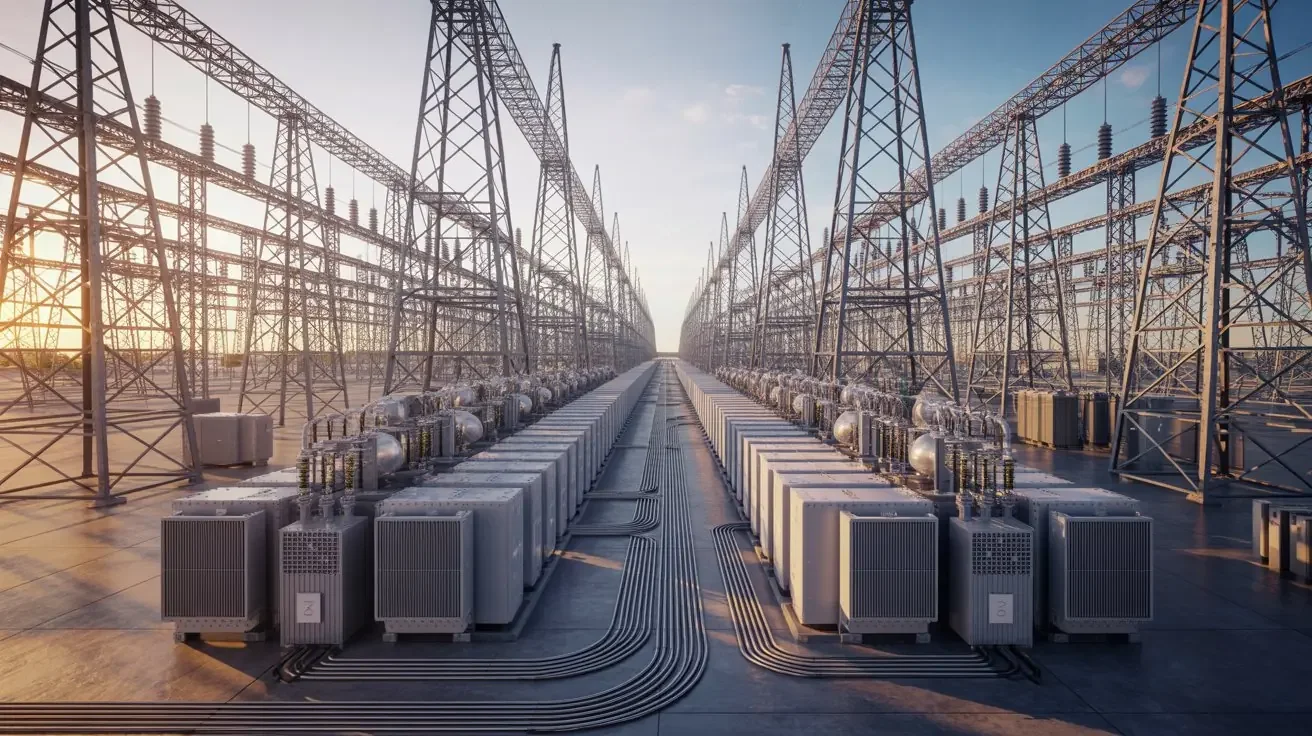
The effective management of power plants is crucial for optimizing energy production and ensuring safety in high voltage environments. This article delves into the best practices for PV/DC (Photovoltaic / Direct Current) field services and operations and maintenance (O&M) specifically focusing on the maintenance of PV systems. Readers will discover essential techniques that enhance system reliability and performance, while also understanding the safety protocols that must be observed to mitigate any risks associated with high voltage systems.
The significance of regular maintenance cannot be overstated, as it directly impacts the operational efficiency and longevity of assets. This guide will explore optimized PV maintenance techniques, discuss high voltage safety protocols, and examine essential practices in testing procedures as well as preventative strategies.
Optimized PV Maintenance Techniques
Effective maintenance techniques ensure that PV systems operate at peak efficiency. Key practices in this realm include IV curve testing, ground fault detection, and thermal imaging inspections. Each of these methods plays a vital role in identifying issues early and maintaining system reliability.
By implementing these maintenance strategies, operators can ensure optimal energy generation and extend the lifespan of their systems. These practices align closely with Belenus Power Group's commitment to energy excellence, allowing operators and EPC teams to maximize energy yield safely and effectively.
Ground Fault Detection and Remediation
Ground fault detection is pivotal in minimizing risks. This process involves monitoring circuits for unintentional pathways between electrical current and the ground, which can pose serious hazards. Effective remediation not only saves equipment but also ensures the safety of personnel working within high voltage areas. Regular checks for ground faults significantly reduce downtime and enhance the reliability of power plant operations.
Thermal Imaging Inspections
Thermal imaging inspections allow for non-invasive assessment of PV systems. By identifying temperature anomalies in components such as inverters and connections, issues can be promptly addressed before they lead to catastrophic failures. This proactive approach minimizes potential outages and reinforces the system’s operational integrity.
High Voltage Safety Protocols
Navigating high voltage environments requires strict adherence to safety protocols to protect workers and equipment. Essential safety measures include lockout/tagout procedures, the use of personal protective equipment (PPE), and conducting job hazard analyses.
Adhering to these protocols is indispensable for enhancing workplace safety in environments dealing with high voltage equipment. Belenus Power Group emphasizes the importance of these procedures as part of its mission to deliver excellence in safety.
Lockout/Tagout Procedures
Lockout/tagout ensures that machinery is kept inoperable during maintenance, significantly reducing the risk of accidents. These procedures require specific training and must be consistently applied by all personnel involved in high voltage tasks.
Personal Protective Equipment (PPE)
PPE is critical in shielding workers from electrical hazards. Common examples include insulated gloves, hard hats, and face shields. Regular training sessions on the appropriate use of PPE help reinforce its importance among employees.
What Are Essential DC Electrical Testing Procedures in PV Maintenance?
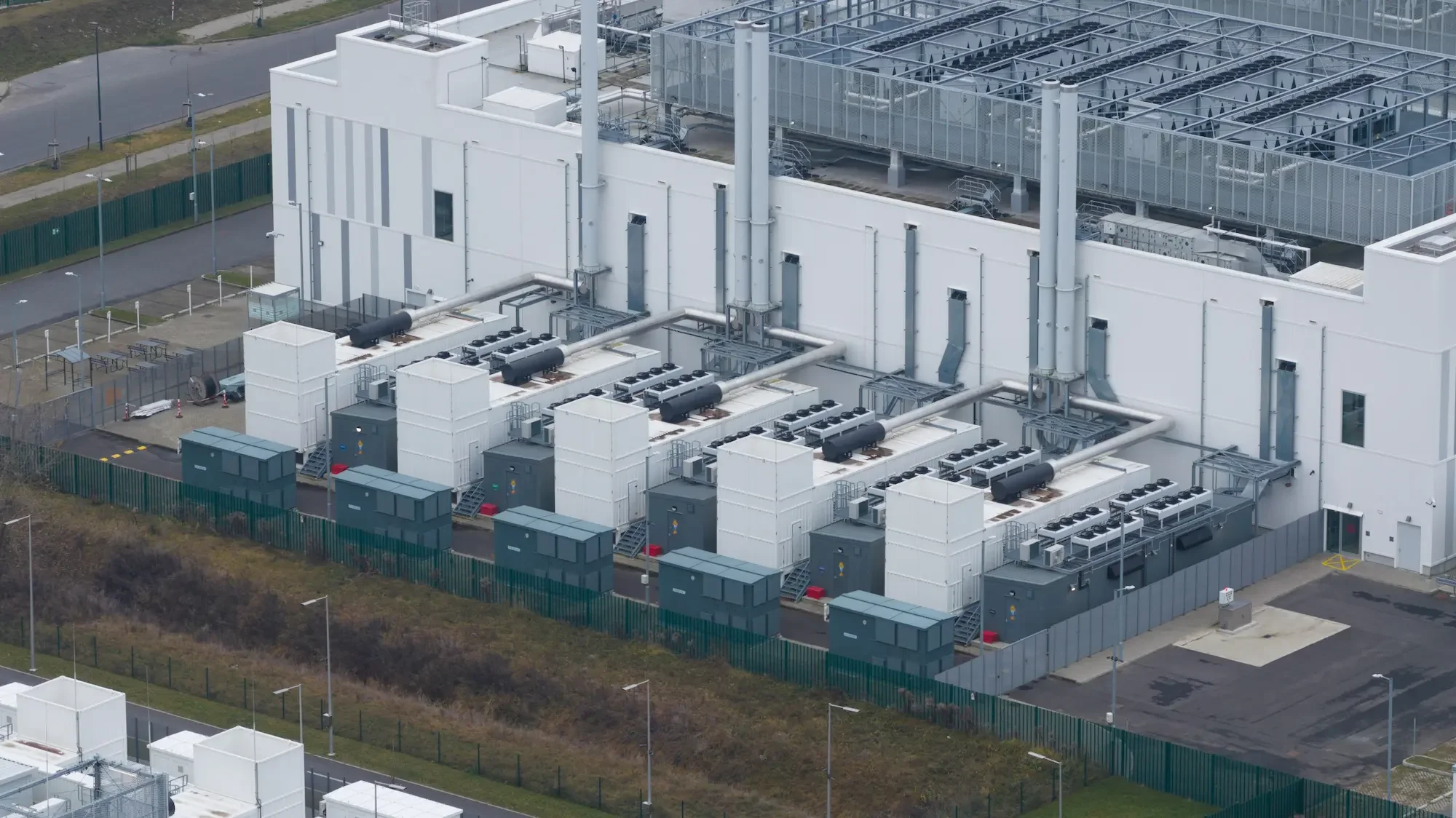
DC electrical testing is pivotal for maintaining system reliability and identifying potential faults before they escalate. Procedures include IV curve testing, torque audits, and ground fault detection.
IV Curve Testing: Measures the current-voltage characteristics, revealing performance issues.
Torque Audits: Ensures that all connections are properly tightened, reducing the risk of overheating or failure.
Ground Fault Detection: Continuously monitors for unintended current paths, which can lead to safety hazards.
Implementing these procedures proactively contributes to enhancing the overall reliability of PV assets.
How Does DC Cable Testing Enhance Power Plant Reliability?
DC cable testing is critical for identifying weaknesses in cable integrity. This testing process:
Identifies Underperforming Circuits: Detects discrepancies in circuit performance that may hinder energy output.
Locates Insulation Breakdown: Proactively addresses insulation failures, preventing equipment damage or fire hazards.
Prevents Safety Hazards: Enhances overall safety by minimizing risks associated with electrical failures.
A robust cable testing regime is thus essential for ensuring safe and efficient power generation.
Which Methods Are Used for PV String Inverter Troubleshooting?
Troubleshooting PV string inverters is vital for maintaining system performance. Effective methods include:
IV Curve Testing: A key diagnostic tool for assessing inverter health and identifying issues such as module mismatching.
Ground Fault Detection: Ensures that any faults within the inverter circuit are promptly identified and addressed.
Visual Inspections: Regular visual checks help catch signs of wear, corrosion, or physical damage.
These methods optimize inverter function and extend its operational life, crucial for the overall efficiency of power systems.
How Are Medium Voltage Systems Inspected and Maintained in Utility-Scale Plants?
Regular inspections and maintenance of medium voltage systems are imperative in utility-scale plants. Key practices include:
Visual Inspections: Conducting routine checks for physical signs of damage or wear on equipment.
Thermal Imaging: Identifying overheated components that could indicate significant issues.
Preventive Maintenance Strategies: Planning maintenance activities that align with operational schedules to minimize disruption.
These strategies foster improved reliability and enhance energy output from medium voltage systems.
What Safety Protocols Ensure Compliance in High Voltage Equipment?
Compliance with safety regulations is crucial in high voltage environments. Essential protocols include:
Lockout/Tagout Procedures: Ensuring machines are shut off during maintenance.
PPE Requirements: Providing and mandating proper protective equipment for all workers.
Adherence to NFPA 70E: Following guidelines for electrical safety in the workplace.
Establishing these safety measures fosters a culture of safety and risk management.
Which Preventive Maintenance Strategies Minimize Downtime in Medium Voltage Systems?
Preventive maintenance strategies focus on identifying and addressing potential issues before they lead to system failures. These strategies include:
Regular Inspections: Scheduled checks for wear and operational integrity.
Documentation of Findings: Keeping records to track performance trends can help identify patterns leading to issues.
Safety Protocols: Creating and following robust safety measures to reduce risk during maintenance procedures.
Such strategies are essential in minimizing unplanned downtime and maximizing system availability.
What Are Best Practices for Power Plant O&M to Maximize Energy Generation?
Maximizing energy generation through effective O&M practices encompasses:
Regular Inspections: Conducting frequent checks to identify and rectify issues promptly.
Data-Driven Monitoring: Utilizing data to make informed operational decisions that enhance performance.
Preventive Maintenance Techniques: Applying proactive measures ensures consistent energy output.
Incorporating these best practices will lead to optimal system performance and longevity.
How Does Regular DC Field Service Improve PV Asset Longevity?
Regular DC field services are crucial for extending the longevity of PV assets. Key benefits include:
IV Curve Testing: Regular testing helps catch performance issues early.
Ground Fault Detection: Ongoing monitoring prevents potential hazards that could lead to costly repairs.
Thermal Imaging: Identifying failures before they escalate preserves investments and boosts reliability.
Investing in regular field services reaffirms a commitment to sustainability and effective energy management.
What Role Does Data-Driven Monitoring Play in Preventive Maintenance?
Data-driven monitoring is transforming preventive maintenance strategies. Its role includes:
Early Detection of Issues: Utilizing sensor data allows for immediate identification of performance problems.
Performance Analysis: Analyzing trends helps forecast potential system failures before they happen.
Real-Time Monitoring: Continuous tracking enhances responsiveness to system anomalies.
Emphasizing data-driven practices enables operators to maximize energy efficiency and minimize operational risks.
Which Tools and Technologies Advance DC Cable Fault Detection and Troubleshooting?
Modern technologies play a significant role in advancing fault detection and troubleshooting procedures for DC cables. Notable tools include:
IV Curve Testing Devices: Enable detailed performance assessments of modules.
Ground Fault Detectors: Monitor and alert operators to electrical issues promptly.
Thermal Imaging Cameras: Identify thermal anomalies in wiring and connectors that might indicate faults.
These advancements contribute to enhanced system reliability and safety.
What Are Cutting-Edge Diagnostics Used by EPC and O&M Teams?
EPC and O&M teams utilize various diagnostics to ensure optimal functionality of PV systems. These diagnostic tools include:
Diagnostic Tools: Specialized software and hardware that assist in real-time monitoring of systems.
Testing Procedures: Established methods that are critical for assessing component performance.
Data Analysis Techniques: Statistically analyzing data ensures efficient troubleshooting and decision-making processes.
The present landscape of maintenance is defined by these cutting-edge diagnostics which enhance overall efficiency.
How Do Interactive Diagrams and Visual Aids Enhance Field Service Training?
Interactive diagrams and visual aids have revolutionized field service training within the sector. Benefits include:
Visual Representation of Systems: Enhances comprehension of system designs and operational protocols.
Hands-On Simulations: Provide practical experience that improves skill application in real-world scenarios.
Training Effectiveness: Structured training using visual aids facilitates faster learning and retention.
By incorporating these tools, organizations can create a more informed and efficient workforce.
How Can PV Operators Ensure Safety and Regulatory Compliance in DC and Medium Voltage Environments?
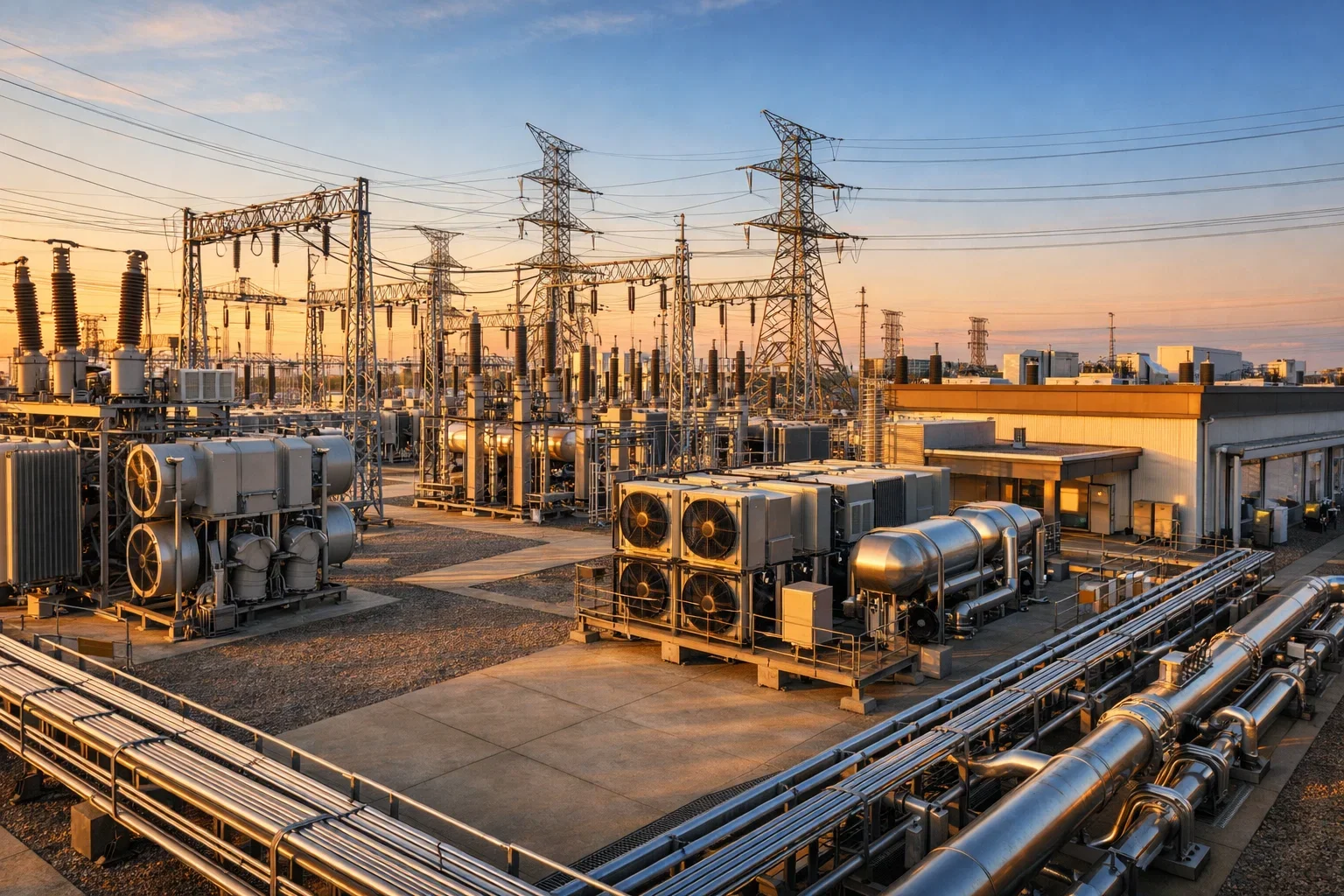
Safety and compliance in DC and medium voltage operations hinge on effective strategies including:
NFPA-70E Compliance: Understanding and adhering to electrical safety standards.
Regular Inspections: Ensuring that all equipment meets safety protocols and performance standards.
Documentation and Reporting: Keeping comprehensive records assists in maintaining compliance with industry regulations.
These practices underline the necessity for a robust safety culture in operations.
What Are the Latest Safety Standards for High Voltage Systems?
Staying up-to-date with safety standards is critical in the rapidly evolving energy industry. Current updates include:
Updated Regulations: Organizations need to remain informed about new developments within safety regulations.
Compliance Requirements: Regular training and awareness programs help ensure adherence to safety standards.
Role of Training: Continuous education on safety practices fosters a knowledgeable workforce that prioritizes safety.
Awareness and implementation of these standards safeguard both personnel and equipment in high voltage scenarios.
How Should Safety Checklists and Field Protocols Be Implemented?
Establishing comprehensive safety checklists and field protocols is essential for effective workflow. Key elements include:
Establish Comprehensive Checklists: Creating detailed guides for all procedures enhances accountability.
Conduct Job Hazard Analyses: Systematically assessing every task allows for identifying potential risks proactively.
Regular Training: Ensuring that all personnel are familiar with protocols promotes a safe working environment.
Implementing these protocols aids in reducing accidents and ensuring compliance with safety regulations.
Reliable power generation depends on consistent PV/DC field services, thorough testing, and strict high voltage safety protocols. From ground fault detection to preventive maintenance, these practices help operators and EPC teams reduce downtime, extend asset life, and maintain safe, compliant operations across every stage of a power plant's lifecycle.
