
Substation and MV Services Best Practices
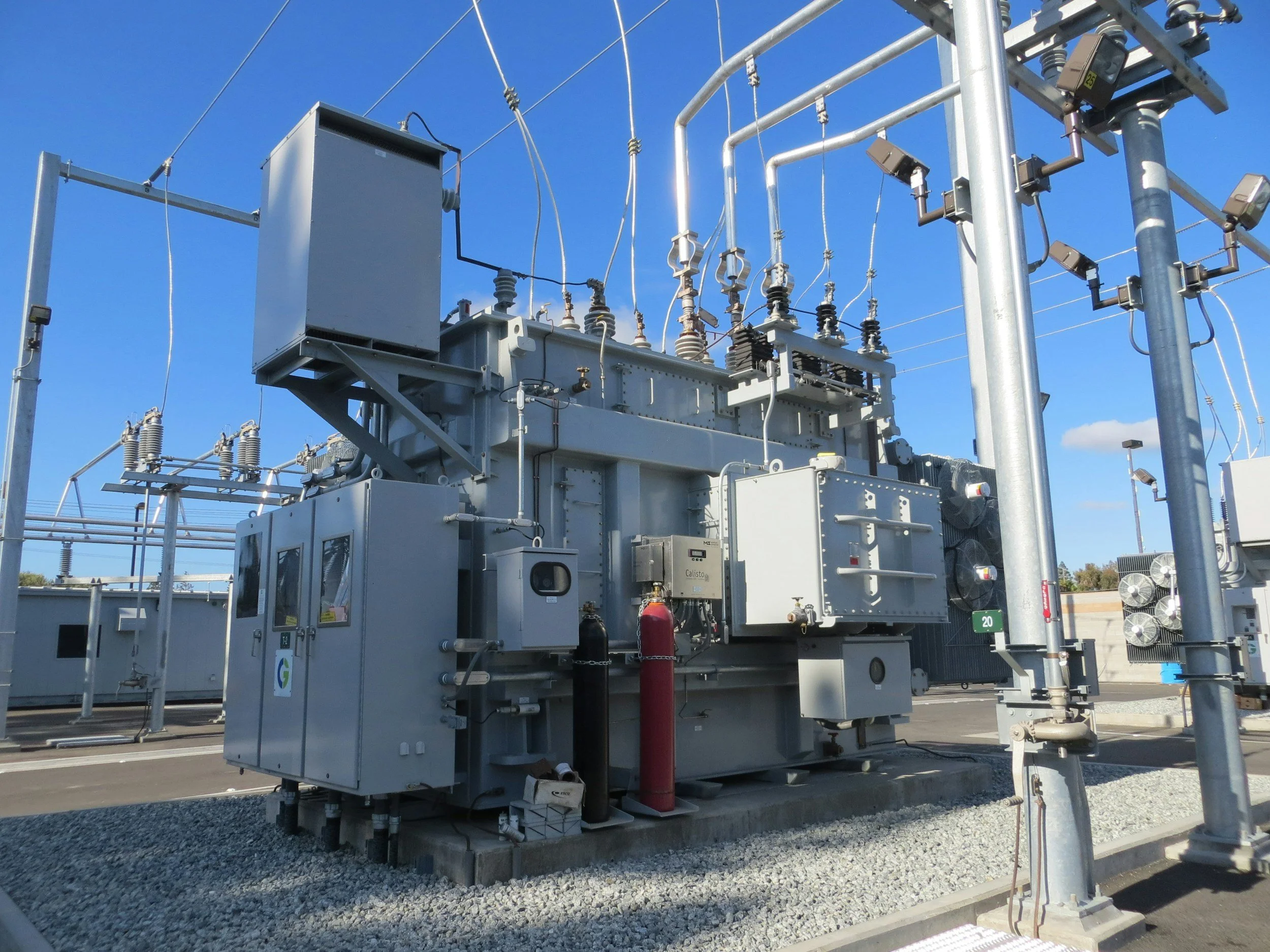
Medium-voltage (MV) and substation services are the backbone of reliable power delivery. From utility-scale sites to industrial facilities, these systems keep operations running safely and efficiently. Proper maintenance, inspection, and testing ensure not only equipment longevity but also the safety of teams working on-site. In complex electrical environments, adherence to best practices is critical.
This guide outlines essential practices for substation and MV services, providing field teams, engineers, and asset operators with actionable insights for safe and efficient operations.
Understanding Substation and MV Services
Substation and MV services cover all activities required to maintain, repair, and optimize medium-voltage electrical systems. These include:
Transformer and switchgear inspection
Breaker and relay testing
Cable termination and splicing
Grounding verification
Preventive and corrective maintenance
This means service teams must handle energized and de-energized equipment, monitor system performance, and address potential faults before they affect operations. The goal is to maintain system reliability while minimizing risk to personnel and assets.
Safety Is the First Priority
Safety underpins all substation and MV work. Electrical hazards such as shock, electrocution, arc flash, and arc blast are ever-present. Following established safety standards, such as OSHA’s hazardous energy (lockout/tagout) rules and NFPA 70E guidance, reduces these risks dramatically.
Best practices include:
Locking out all energy sources before performing work
Using appropriate personal protective equipment (PPE)
Conducting job hazard analyses before starting any task
Verifying isolation points and grounding
Maintaining strict adherence to switching procedures
By integrating safety into every step, teams not only protect themselves but also prevent unplanned downtime caused by accidents or damage to equipment.
Inspection and Testing Best Practices
Regular inspection and testing are central to maintaining substation and MV reliability. Core inspection and testing steps include:
Visual inspections of switchgear, breakers, transformers, and cables
Thermal imaging to detect hotspots or potential faults
Breaker and relay testing to ensure proper operation
Cable and termination checks for wear, corrosion, or loose connections
Comprehensive documentation of all findings
Routine testing enables early identification of issues, preventing equipment failure and unplanned outages. Using standardized testing methods ensures consistency and helps maintain long-term system performance.
Planning Work Before Field Execution
Effective substation and MV service work begins well before field execution. Proper work planning ensures safety, efficiency, and reliability:
Prepare a detailed switching plan
Confirm access and safety zones
Assign clear responsibilities for each team member
Gather required tools, testing equipment, and documentation
Conduct pre-job hazard reviews
Planning reduces the likelihood of mistakes, ensures compliance with safety standards, and allows teams to execute maintenance with confidence.
Transformer and MV Equipment Reliability
Transformers, switchgear, and other MV assets are both critical and high-value. Maintaining their reliability requires:
Monitoring transformer health through visual inspections and performance metrics
Testing relays and breakers according to manufacturer and industry standards
Ensuring proper grounding and protection coordination
Detecting potential issues before they lead to failures
Proactive maintenance improves uptime, extends equipment lifespan, and helps avoid costly emergency repairs. This approach ensures that electrical infrastructure remains dependable under operational stress.
Common Mistakes to Avoid
Even experienced teams can encounter pitfalls. The most frequent mistakes include:
Skipping or rushing lockout/tagout procedures
Incomplete or inaccurate inspection records
Reactive maintenance instead of preventive planning
Ignoring small warning signs such as unusual sounds, heating, or minor faults
Poor coordination between teams during switching operations
Awareness of these common mistakes helps teams implement corrective measures before problems escalate.
Best Practices for Long-Term Performance
To maintain reliable and safe substation and MV operations, implement these ongoing practices:
Establish a preventive maintenance schedule for all critical equipment
Document every inspection, test, and repair action
Train all personnel regularly on safety protocols and emergency procedures
Conduct periodic reviews to assess system health and plan upgrades
Apply consistent hazard controls and operational standards across all sites
Following these steps ensures both the safety of personnel and the longevity of electrical assets, while supporting operational efficiency.
Conclusion
Substation and MV services require a disciplined approach that balances safety, reliability, and operational efficiency. From careful planning to preventive maintenance, each task contributes to the long-term health of electrical systems and the protection of teams on-site.
By following these best practices, organizations can minimize downtime, avoid safety incidents, and ensure their medium-voltage infrastructure continues to perform reliably, meeting both operational and regulatory standards.
Disclaimer
This content is provided for informational purposes only and should not be considered professional or engineering advice. All electrical work must be carried out by qualified personnel in accordance with applicable safety standards and regulations. The author and publisher assume no responsibility for any damages or losses resulting from the use of this information, and readers are advised to consult certified experts and site-specific guidelines before performing any substation or medium-voltage tasks.
