
Substation Earthing and Bonding Best Practices
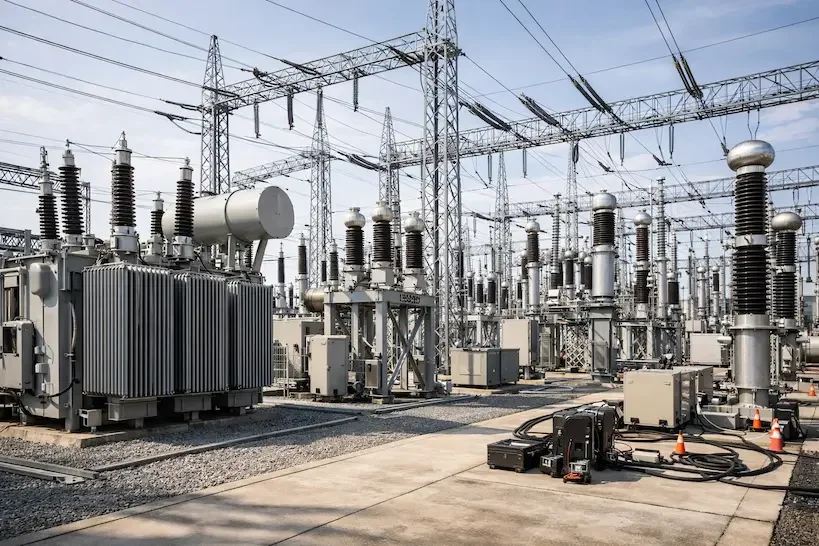
Substation earthing and bonding are among the most important elements of a safe and reliable power system. While transformers, breakers, and protection relays often receive the most attention, the grounding system works continuously behind the scenes to protect personnel, equipment, and overall system stability.
A properly designed earthing system provides a low-resistance path for fault currents, lightning strikes, and other electrical disturbances. Bonding ensures that all metallic structures and equipment remain at the same electrical potential, reducing the risk of dangerous voltage differences. Together, these systems help maintain safe operating conditions and support reliable power delivery.
Why Earthing and Bonding Matter
Substations operate under high-voltage conditions where electrical faults can occur without warning. Without effective grounding and bonding, fault currents may travel through unintended paths, creating safety hazards and increasing the risk of equipment damage.
A well-maintained earthing and bonding system helps teams:
Improve personnel safety
Reduce equipment damage during faults
Support lightning protection systems
Improve protection system performance
Maintain long-term system reliability
For utility-scale facilities, proper grounding is not just a design requirement - it is a critical part of safe operation.
Phase 1: Ground Grid Inspection
Every earthing assessment should begin with a thorough inspection of the grounding network. The ground grid forms the foundation of the substation grounding system and connects equipment, structures, and grounding electrodes together.
Technicians typically inspect:
Ground conductors for damage or corrosion
Ground rods and grid connections
Exposed grounding connections
Signs of soil erosion around grounding points
Mechanical integrity of connectors
Even a single damaged connection can reduce the effectiveness of the entire grounding system. Regular inspections help identify issues before they affect safety or performance.
Phase 2: Bonding Verification
Bonding ensures that all metallic equipment remains electrically connected to the grounding system.
Key bonding points include:
Transformer tanks
Circuit breakers
Steel structures
Control cabinets
Fences and gates
Cable trays
Loose or missing bonding connections can create dangerous touch voltages during fault conditions. Maintenance teams verify that all connections are secure, free from corrosion, and capable of carrying fault current safely.
Phase 3: Ground Resistance Testing
Testing is essential for confirming that the earthing system is performing as intended.
Ground resistance testing helps determine how effectively fault current can dissipate into the earth. Higher-than-expected resistance values may indicate:
Corroded grounding components
Damaged conductors
Poor soil conditions
Loose connections
Continuity and integrity testing may also be performed to verify that all grounding paths remain electrically connected throughout the substation. These tests help identify hidden issues that visual inspections cannot detect.
Ongoing Maintenance and Documentation
Like any other substation asset, grounding systems require ongoing maintenance. Environmental conditions, corrosion, construction activities, and aging infrastructure can gradually affect performance.
A strong maintenance program should include:
Scheduled visual inspections
Ground resistance testing
Bonding verification
Documentation of all findings
Corrective actions when deficiencies are identified
Consistent recordkeeping also helps maintenance teams track system performance over time and identify developing problems before they become critical.
Strengthening Reliability Through Proper Grounding
Earthing and bonding systems may not be the most visible parts of a substation, but they play a vital role in safety, equipment protection, and operational reliability. A proactive inspection and maintenance strategy helps ensure that fault currents are managed safely and that critical infrastructure remains protected throughout the life of the facility.
At Belenus Power Group, we support utility-scale energy assets with field-tested electrical maintenance services designed to enhance safety, system integrity, and long-term operational performance across critical power infrastructure.
