
MV Switchgear Inspection and Maintenance Guide
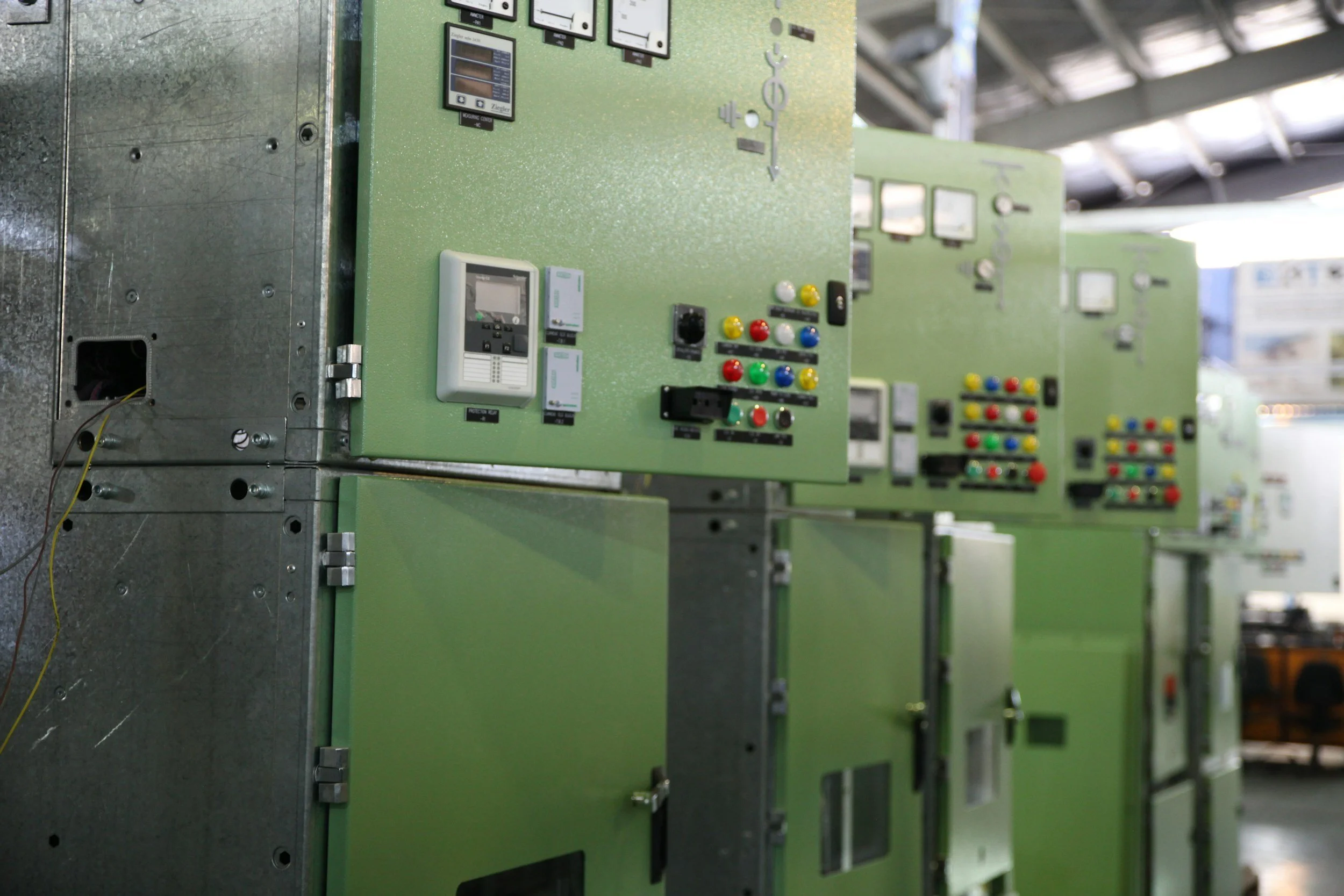
Medium-voltage (MV) switchgear is the backbone of utility-scale power systems. Responsible for protecting electrical equipment, isolating faults, and managing power flow, its reliability directly impacts substations and industrial facilities. When MV switchgear fails, the consequences are severe: equipment damage, costly unplanned outages, and compromise of personnel safety.
Implementing a rigorous, proactive inspection and maintenance program is the key to mitigating these risks. Consistency helps identify problems early before they escalate into costly failures. Whether your site operates indoor switchgear, outdoor metal-clad gear, or vacuum breaker systems, routine inspections are essential for reliability and long-term performance.
Why MV Switchgear Maintenance Matters
Switchgear operates under constant electrical, thermal, and environmental stress. Over time, the cumulative effects of heat, dust, moisture, and operational vibration can degrade internal components.
A structured, routine inspection schedule helps maintenance teams:
Minimize unplanned downtime
Extend asset lifecycles
Ensure operational safety
Detect overheating or insulation problems early
Maintain compliance
In utility-scale operations, preventive maintenance is always more cost-effective than emergency repairs.
Phase 1: Visual and Mechanical Inspection
Every comprehensive MV switchgear assessment begins with a meticulous visual and mechanical evaluation. Technicians inspect the entire lineup, scanning the enclosure and internal compartments for physical damage, environmental contamination, or structural wear.
Key inspection checkpoints include:
Loose hardware or cable connections
Dust buildup inside compartments
Corrosion or moisture intrusion
Damaged insulation
Burn marks or discoloration
Unusual smells or sounds
Environmental cleanliness cannot be overstated. Particulate buildup combined with ambient humidity lowers insulation resistance, drastically increasing the probability of a destructive arc fault. Thorough cleaning of breaker cubicles, busbars, and support insulators is foundational to safe operation.
Phase 2: Diagnostic Circuit Breaker Testing
Circuit breakers are one of the most important parts of MV switchgear. They must respond quickly during fault conditions to protect the electrical system.
Several common tests are performed during maintenance:
Contact Resistance Testing
This test measures resistance across breaker contacts. High resistance can create excessive heat and damage the breaker over time.
Insulation Resistance Testing
Often called Megger testing, this checks the health of the insulation system and helps identify moisture or insulation breakdown.
Timing and Functional Testing
Breakers must open and close within their specified operating speed. Timing tests confirm that the mechanism is operating correctly and consistently.
For vacuum or SF6 breakers, technicians may also inspect interrupter condition and gas pressure depending on the breaker type.
Phase 3: Protection Relay & Control Verification
Protection relays are the control center of the switchgear system. If relays are not functioning properly, breakers may fail to trip during a fault.
Maintenance teams typically verify:
Relay settings
Trip functions
Control wiring
SCADA communication signals
Alarm functions
Functional trip testing is especially important because it confirms the relay and breaker operate together correctly during simulated fault conditions.
Predictive Maintenance: Infrared Thermography & Beyond
Infrared thermal imaging is commonly used during inspections to identify hot spots inside switchgear. Abnormal heat usually points to loose connections, overloaded components, or contact problems before visible damage occurs.
Many facilities also follow scheduled preventive maintenance programs based on:
Equipment age
Operating conditions
Manufacturer recommendations
Criticality of the system
This proactive approach helps reduce unexpected failures and improves overall system reliability.
Maximize Asset Reliability with Belenus Power Group
MV switchgear is one of the most critical, high-value assets in your power distribution infrastructure. Keeping it properly inspected and maintained helps protect equipment, improve uptime, and support safe operation across the entire facility.
Reliable switchgear maintenance requires experienced technicians who understand the demands of utility-scale power systems. At Belenus Power Group, we provide comprehensive MV and HV field services designed to support long-term system performance, safety, and operational reliability across critical energy infrastructure.
