
Protective Relay Testing That Keeps Your Power System Compliant and Reliable
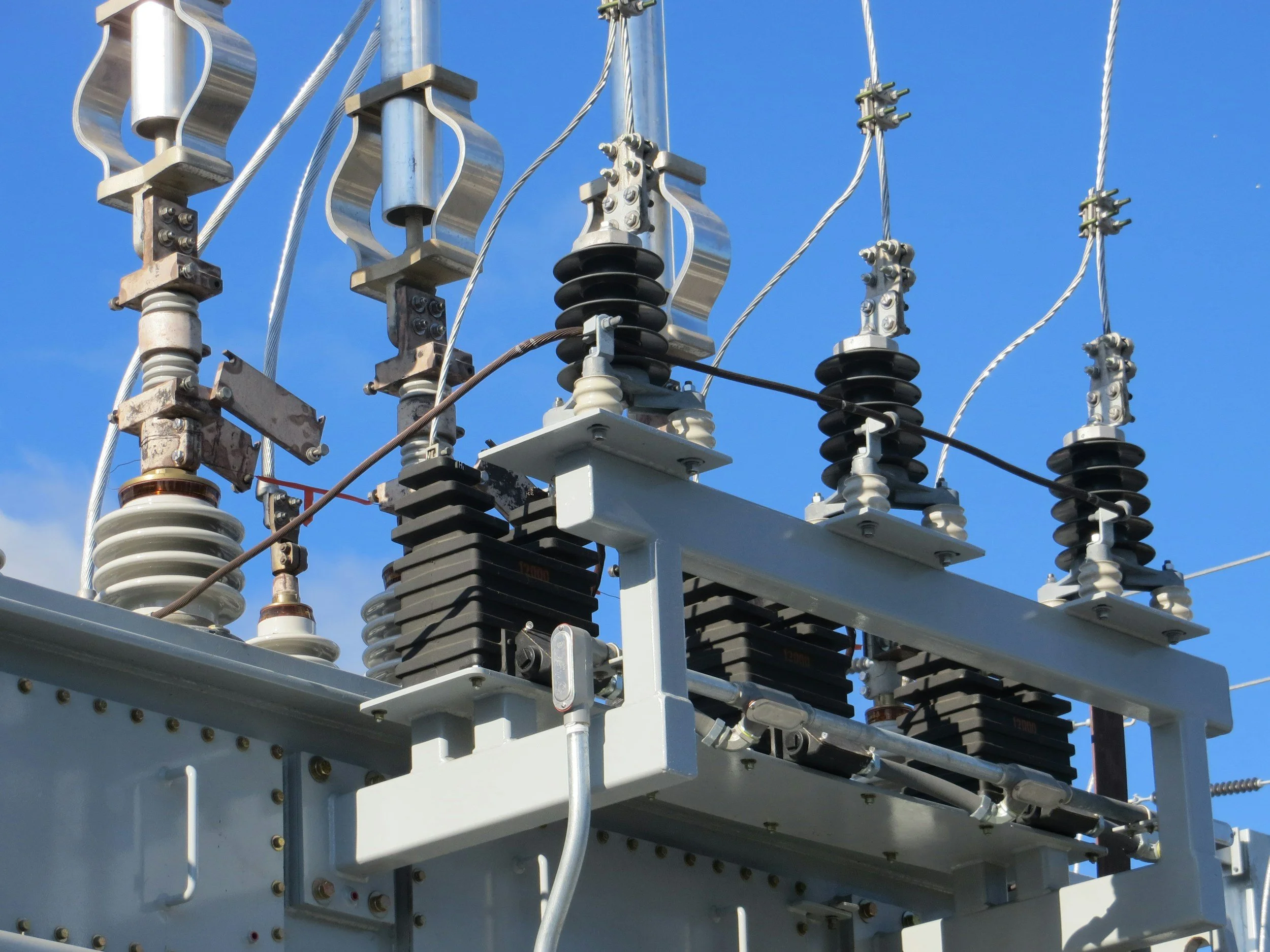
A protective relay has one job: react the instant a fault hits your system. When it doesn't, the fallout is immediate: damaged transformers, wider outages, and hard questions from regulators about your maintenance records. Belenus Power Group helps facility managers, substation engineers, and compliance officers avoid that scenario. We combine scheduled testing, condition-based maintenance, and complete documentation support to keep your protection system aligned with NERC's PRC-005-6 standard.
Why Protective Relay Testing Matters
Protection systems stand between a fault and a full-blown outage. As relay infrastructure ages, the risk of an undetected problem grows, and facility managers face more pressure to prove that every relay, breaker, and reclosing device works as designed. Belenus Power Group protects and strengthens high- and medium-voltage power assets, pairing experienced field teams with advanced testing technology.
Skipping a scheduled check has real consequences. A missed maintenance cycle can leave a fault uncleared, which can damage transformers, interrupt service, and put your compliance record at risk. Protective relay services address this directly through routine, condition-based maintenance paired with thorough fault-interruption checks, rather than repairs after something has already gone wrong.
Belenus field teams use diagnostic technology to confirm relays interrupt faults reliably and to measure system performance across your infrastructure, helping you catch problems before they turn into downtime.
What Does PRC-005-6 Ask of Asset Owners?
PRC-005-6 exists to make sure protection systems, automatic reclosing equipment, and sudden pressure relaying are documented and maintained on a defined schedule wherever they affect Bulk Electric System reliability. In practice, transmission owners and generator owners need a written, repeatable testing program rather than an informal inspection habit that changes year to year.
How Does Proactive Testing Reduce Downtime?
Condition-based maintenance catches a relay's declining performance before it causes an outage. Belenus field teams handle routine inspections on a set schedule and stay ready for emergency calls, so service can be restored quickly if something unexpected happens.
For high-voltage plant operations, the testing priorities that matter most include:
Verifying relay pickup and timing accuracy
Confirming automatic reclosing sequences work as designed
Testing sudden pressure relaying on transformer assets
Documenting results for compliance recordkeeping
How Belenus Tests Protective Relays
Belenus tests protective relays using NETA-compliant methods that check trip settings, timing accuracy, and how well the whole protection scheme works together. Testing confirms a relay responds to a fault the way it was designed to, so the equipment performs in the field the way it was engineered to on paper. Skipping this step leaves a facility exposed to slower fault clearing, avoidable equipment damage, and outages that can spread to connected loads.
Field crews test relays directly and also inspect the wiring, current and voltage transformer connections, and control circuits around them. A miscalibrated relay often points to a bigger issue with cabling, grounding, or load conditions elsewhere in the system, which is why the inspection covers more than the relay itself.
What a Typical Relay Testing Program Includes
A solid testing program covers more than a single visit. Belenus structures relay work around a few recurring activities:
Functional testing to confirm pickup values, time delays, and trip logic
Calibration checks against manufacturer and utility tolerances
Documentation that supports PRC-005 compliance recordkeeping
Scheduled inspections paired with emergency response when a relay shows a warning sign
Pairing routine checks with fast emergency response limits downtime and helps prevent small issues from turning into failures.
Why Testing Frequency Matters for Compliance
How often you test affects whether your maintenance program holds up under regulatory review. Relays tested and logged on a defined schedule build the record auditors expect to see. Gaps in that record create compliance risk, even when the relays themselves are working fine.
Relay testing is one piece of a wider service lineup that also covers transformer maintenance, substation testing, and battery energy storage system support. The team leading these programs brings more than 25 years of experience managing large-scale electrical projects across multiple countries, giving facility teams one partner for both routine verification and complex troubleshooting.
Why Grounding Affects Relay Performance?
Grounding shapes how a relay performs because it controls fault current before the relay ever sees it. A properly designed earthing system gives fault currents, lightning strikes, and other disturbances a clear, low-resistance path to follow, which protection devices depend on to detect and interpret what's happening. When that path is compromised, relays receive distorted or delayed signals, and detection accuracy drops.
High-voltage substations carry unique exposure here. Faults happen without warning, so grounding integrity determines whether a relay reacts correctly in the first critical moments. A weak or corroded ground grid adds resistance where there shouldn't be any, and that resistance distorts the current signature a relay relies on to decide when to trip.
What Happens When Grounding Fails at a Substation?
When grounding and bonding are inadequate, fault currents find paths they were never meant to take. That creates safety hazards for personnel and raises the risk of damage to transformers, switchgear, and control panels. A protection system built around a healthy ground reference becomes less reliable the moment that reference weakens.
How Grounding Connects to Protective Relay Services
Sound grounding is the foundation relay testing depends on for accurate fault detection. Facility teams evaluating relay performance should treat a grounding inspection as part of the same task, not a separate one.
Poor grounding can affect relay operation in a few specific ways:
Delayed or missed fault detection
Higher risk of equipment damage
Greater safety hazards for field personnel
Weaker documentation for PRC-005 compliance
Grounding and relay maintenance work as a pair, not in isolation.
What Should Facility Teams Do Next?
Facility teams managing aging protection systems get the most value from pairing their internal staff with a dedicated relay testing partner built for high- and medium-voltage assets. Belenus Power Group centers its work on these systems, helping customers generate energy safely and reliably. Consistent uptime depends on responsive, experienced teams working with the right tools and a real maintenance plan, not on reacting after something has already failed.
Compliance officers dealing with PRC-005 gaps benefit most from structured testing programs that replace manual spreadsheet tracking with clear, auditable records. Substation engineers get documentation that holds up to an audit, and protection engineers get visibility into relay health before failures happen.
What Steps Reduce Protection System Risk?
Operations teams lower their risk by combining scheduled testing with condition-based maintenance, rather than waiting for an outage to force action. Belenus carries forward the name of its namesake, the Celtic sun god of light, power, and healing, and supports the teams building and maintaining tomorrow's power infrastructure.
Facility managers should prioritize:
Maintenance intervals documented by relay type and system criticality
Field teams capable of both scheduled inspection and emergency response
Testing records structured for regulatory audit readiness
Clear coordination between protection engineers and compliance officers on corrective action timelines
Frequently Asked Questions
What does PRC-005-6 require asset owners to do?
PRC-005-6 requires transmission owners and generator owners to document and follow a repeatable maintenance program for protection systems, automatic reclosing, and sudden pressure relaying that affect Bulk Electric System reliability.
How does protective relay testing reduce unplanned downtime?
Condition-based maintenance catches a relay's declining performance before it causes an outage. Belenus schedules routine inspections and stays ready for emergency calls, helping restore service quickly when issues come up.
What methods does Belenus use to test protective relays?
Belenus uses NETA-compliant methods that verify trip settings, timing accuracy, and coordination across the protection scheme, confirming relays react to faults the way they were designed to.
Talk to Belenus Power Group About Your Protection System
Every day a protection system goes untested is a day of uncertainty you don't need to carry. Belenus Power Group gives facility managers, substation engineers, and compliance officers a clear path forward: proven testing methods, documentation that holds up under audit, and a team that treats your infrastructure like it matters.
Your protective relays are only as reliable as the maintenance program behind them. If it's been a while since your last full test cycle, or your PRC-005 documentation needs a closer look, Belenus Power Group is ready to help. Our field teams bring hands-on experience and NETA-compliant testing methods to keep your high- and medium-voltage assets protected, compliant, and online.
Reach out to Belenus Power Group to schedule a protective relay assessment for your facility.
